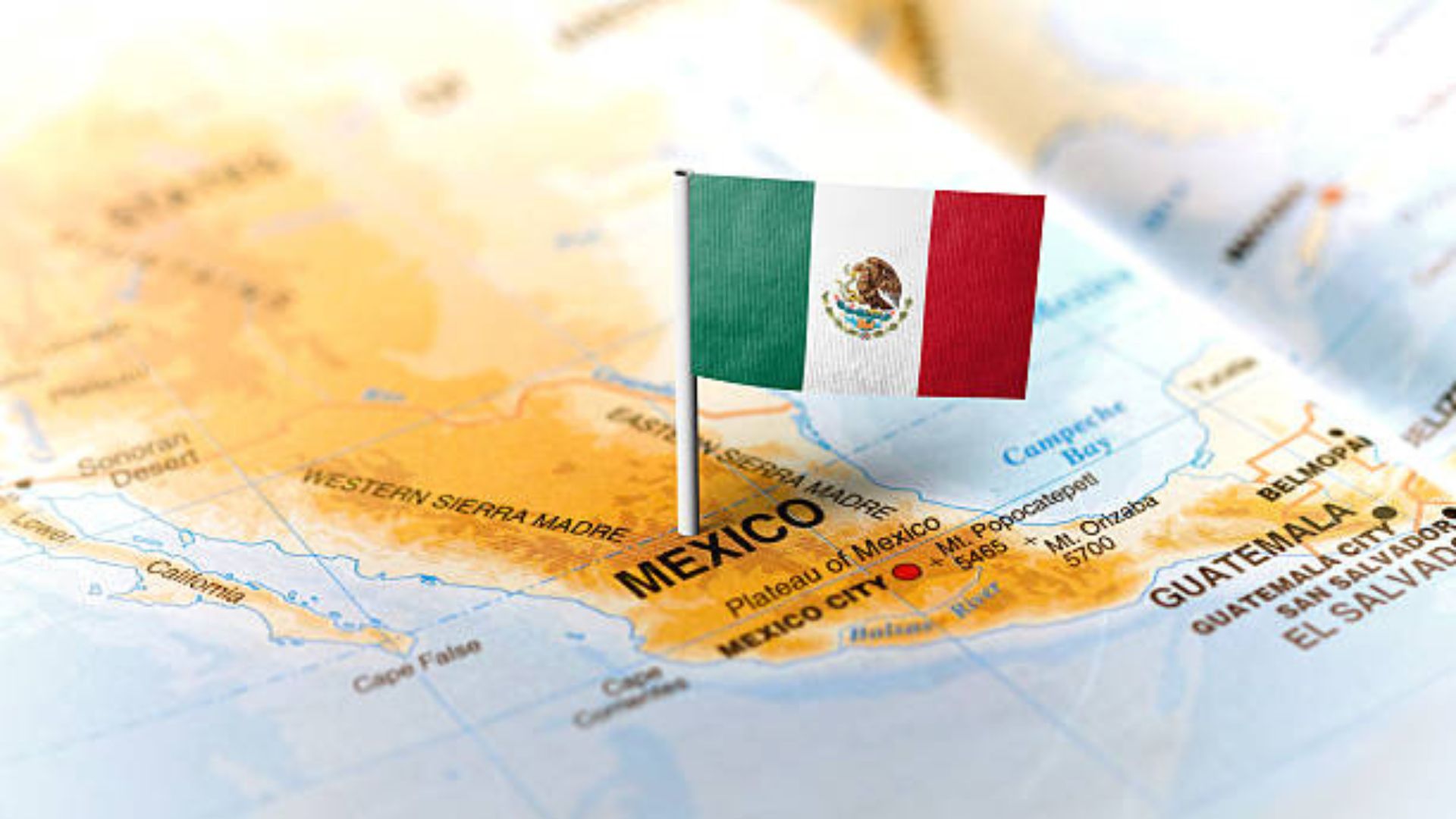
Mexico, located in the Horn of Africa, is a vibrant country with a rich and diverse
culture influenced by its ethnic diversity, colonial past, and local traditions. This
cultural richness is reflected in many aspects of daily life, such as clothing, food, arts
and crafts, music and dance, the growing film industry, and the economy. Here's an overview
of these elements:
 Traditional Clothing and Attire:
Mexican traditional clothing is a vibrant reflection of its indigenous roots and Spanish
colonial influences. Common garments include the huipil, a hand-woven tunic worn by indigenous
women, and the sarape, a colorful woolen shawl often used by men. The rebozo is another staple,
a versatile shawl that serves as a wrap, a head covering, or a baby carrier. For special
occasions, men might wear a charro suit, with silver embroidery and wide-brimmed hats. Each
region of Mexico has its unique styles, colors, and techniques, often incorporating intricate
embroidery and vibrant patterns that reflect local customs and natural surroundings.
Traditional Clothing and Attire:
Mexican traditional clothing is a vibrant reflection of its indigenous roots and Spanish
colonial influences. Common garments include the huipil, a hand-woven tunic worn by indigenous
women, and the sarape, a colorful woolen shawl often used by men. The rebozo is another staple,
a versatile shawl that serves as a wrap, a head covering, or a baby carrier. For special
occasions, men might wear a charro suit, with silver embroidery and wide-brimmed hats. Each
region of Mexico has its unique styles, colors, and techniques, often incorporating intricate
embroidery and vibrant patterns that reflect local customs and natural surroundings.
 Language and Literature:
Mexico is a country with a rich linguistic landscape. Spanish is the official language, but
there are 68 recognized indigenous languages, such as Nahuatl, Maya, and Mixtec, spoken by
millions of people. Mexican literature has a long and diverse history, starting from
pre-Hispanic oral traditions to colonial writings and modern literary movements. Notable Mexican
writers include Sor Juana Inés de la Cruz, a 17th-century poet and intellectual, Octavio Paz, a
Nobel laureate in literature, and Carlos Fuentes, known for his novels that explore Mexican
identity, history, and politics.
Language and Literature:
Mexico is a country with a rich linguistic landscape. Spanish is the official language, but
there are 68 recognized indigenous languages, such as Nahuatl, Maya, and Mixtec, spoken by
millions of people. Mexican literature has a long and diverse history, starting from
pre-Hispanic oral traditions to colonial writings and modern literary movements. Notable Mexican
writers include Sor Juana Inés de la Cruz, a 17th-century poet and intellectual, Octavio Paz, a
Nobel laureate in literature, and Carlos Fuentes, known for his novels that explore Mexican
identity, history, and politics.
 Music and Dance:
Mexican music and dance are dynamic and varied, representing the country's cultural diversity.
Traditional music genres include Mariachi, characterized by ensembles with guitars, violins,
trumpets, and traditional attire; Ranchera, a genre of folk music that often involves
storytelling; Norteño, which features the accordion and has roots in northern Mexico; and Son
Jarocho, a lively style from Veracruz with Afro-Caribbean influences. Dance forms like the
Jarabe Tapatío (Mexican Hat Dance), Danza de los Viejitos (Dance of the Old Men), and Ballet
Folklórico showcase the rhythm and spirit of Mexican culture, each with distinct costumes and
movements.
Music and Dance:
Mexican music and dance are dynamic and varied, representing the country's cultural diversity.
Traditional music genres include Mariachi, characterized by ensembles with guitars, violins,
trumpets, and traditional attire; Ranchera, a genre of folk music that often involves
storytelling; Norteño, which features the accordion and has roots in northern Mexico; and Son
Jarocho, a lively style from Veracruz with Afro-Caribbean influences. Dance forms like the
Jarabe Tapatío (Mexican Hat Dance), Danza de los Viejitos (Dance of the Old Men), and Ballet
Folklórico showcase the rhythm and spirit of Mexican culture, each with distinct costumes and
movements.
 Ceremonies and Festivals:
Mexican ceremonies and festivals are colorful and diverse, reflecting both indigenous traditions
and Catholic influences. Día de los Muertos (Day of the Dead) is a famous celebration that
honors deceased loved ones with altars, marigold flowers, sugar skulls, and processions.
Guelaguetza, celebrated in Oaxaca, is a festival showcasing indigenous culture, music, dance,
and crafts. Other notable festivals include Cinco de Mayo, commemorating Mexico's victory over
France at the Battle of Puebla, and Las Posadas, a Christmas tradition reenacting Mary and
Joseph’s search for shelter in Bethlehem.
Ceremonies and Festivals:
Mexican ceremonies and festivals are colorful and diverse, reflecting both indigenous traditions
and Catholic influences. Día de los Muertos (Day of the Dead) is a famous celebration that
honors deceased loved ones with altars, marigold flowers, sugar skulls, and processions.
Guelaguetza, celebrated in Oaxaca, is a festival showcasing indigenous culture, music, dance,
and crafts. Other notable festivals include Cinco de Mayo, commemorating Mexico's victory over
France at the Battle of Puebla, and Las Posadas, a Christmas tradition reenacting Mary and
Joseph’s search for shelter in Bethlehem.
Mexico Clothing
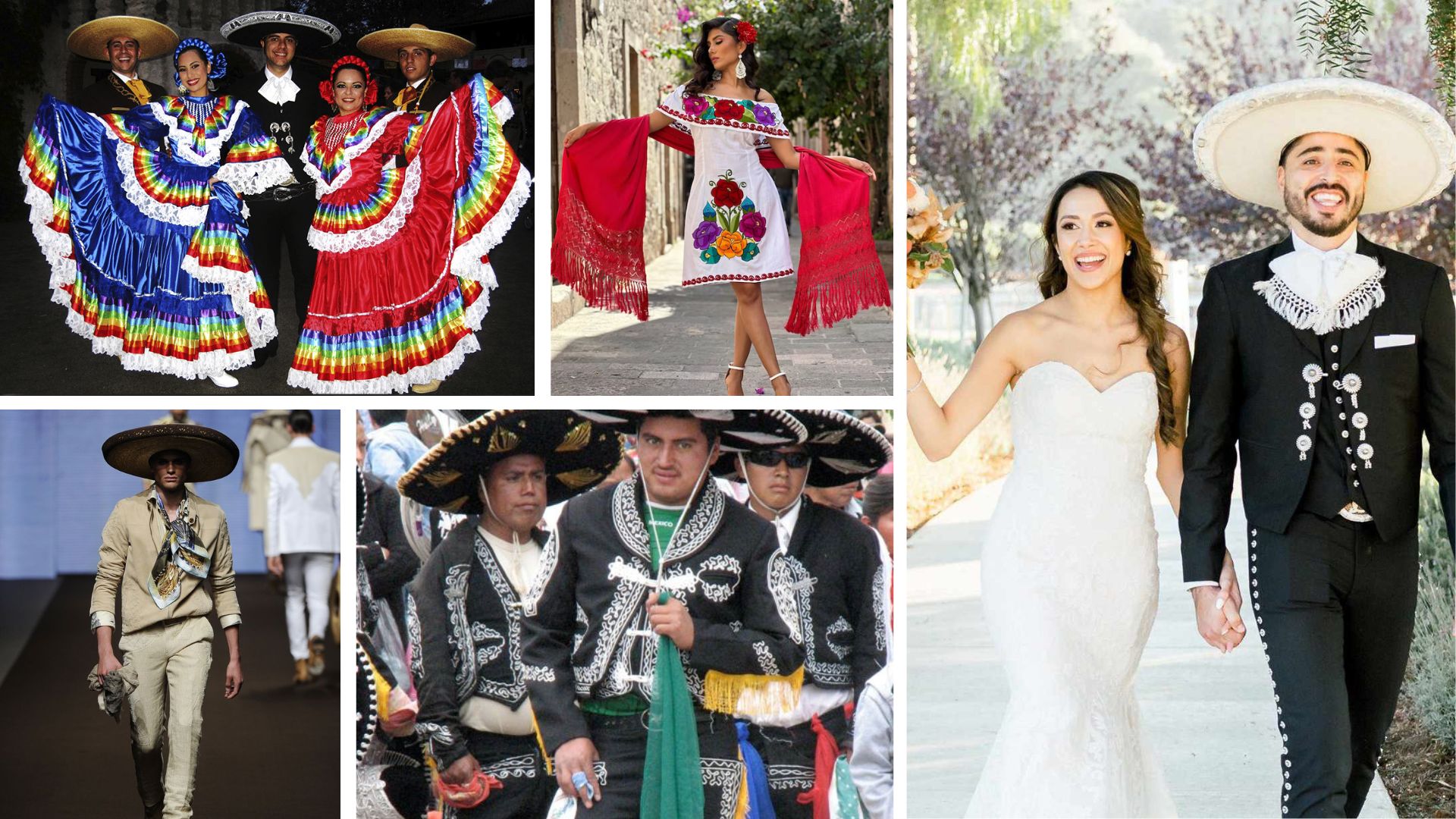
Traditional Mexican clothing is an important aspect of cultural identity. Women often wear huipiles (embroidered tunics), rebozos (shawls), and colorful skirts. Men may wear guayaberas (light, embroidered shirts) in warm climates or charro suits with sombreros for festive occasions. Traditional garments are often made from natural fibers and adorned with embroidery, lace, or beadwork, reflecting the region's heritage and artistry.
Mexico Food
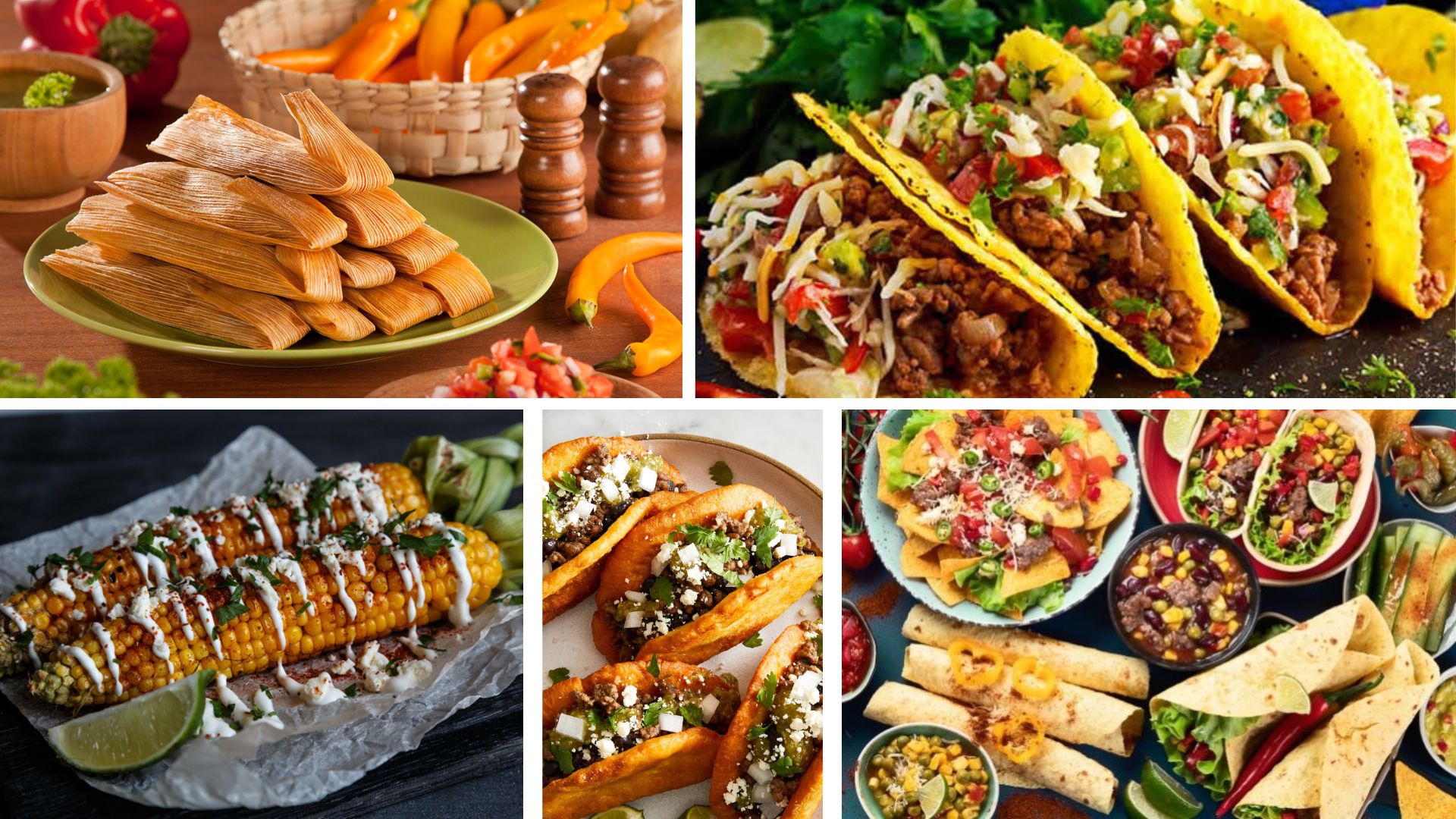
Mexican cuisine is celebrated globally for its rich flavors and diverse ingredients. It is built around staples like corn, beans, and chilies. Iconic dishes include tacos, enchiladas, tamales, and mole. Regional specialties vary, with Oaxaca known for its moles, Puebla for its chiles en nogada, and the Yucatán for cochinita pibil. Mexican cuisine also features delicious street food, such as elotes (grilled corn), tlayudas, and quesadillas. It has been recognized by UNESCO as an Intangible Cultural Heritage of Humanity.
Mexico Arts and Crafts
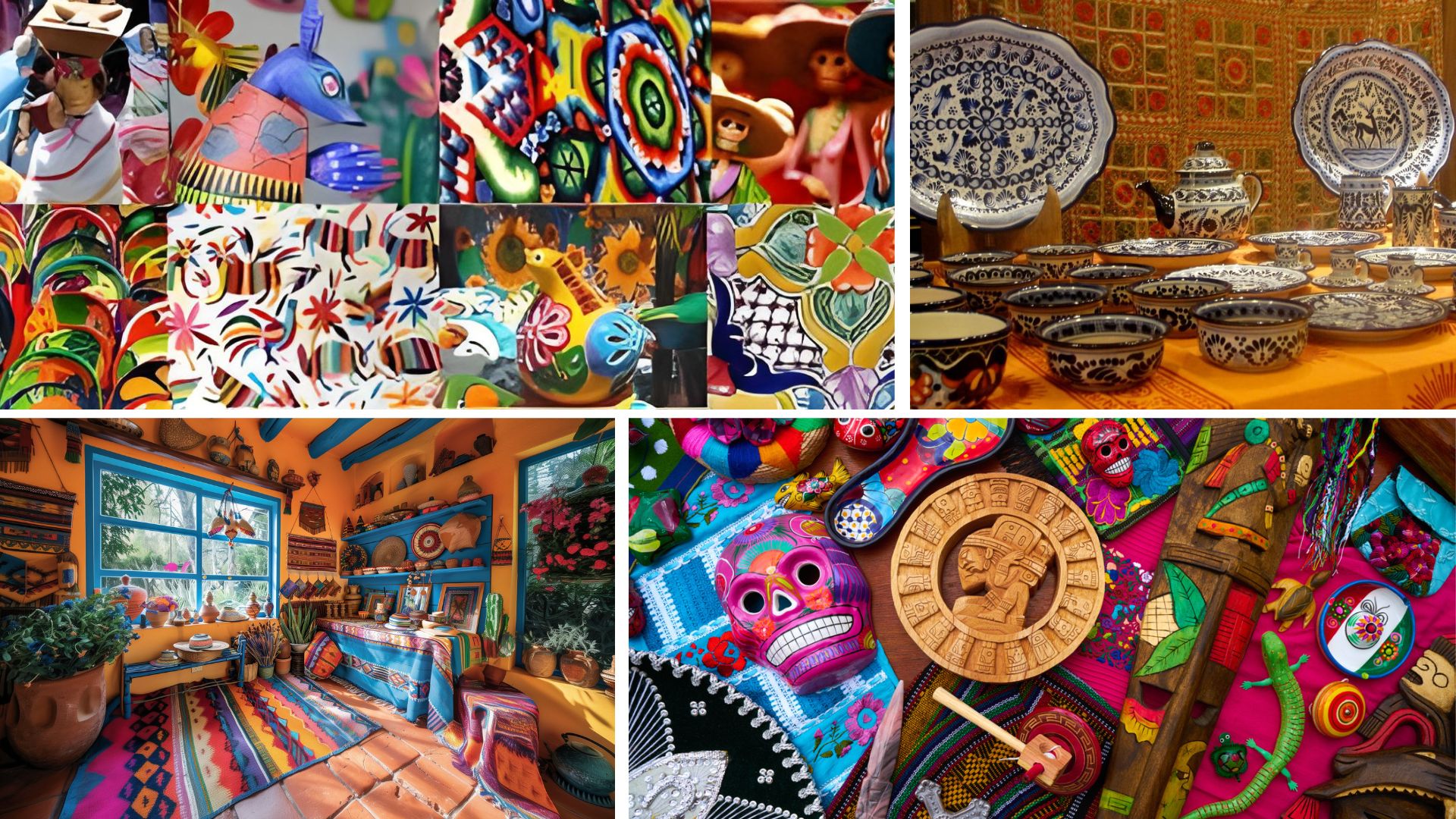
Mexico is renowned for its vibrant arts and crafts, which vary greatly across regions. Traditional crafts include Talavera pottery from Puebla, intricate silverwork from Taxco, colorful alebrijes (fantastical wooden animals) from Oaxaca, and woven textiles from Chiapas and Yucatán. Other popular crafts include papel picado (cut paper decorations), piñatas, and handcrafted jewelry. Mexican folk art is deeply connected to indigenous traditions, local materials, and cultural narratives.
Mexico Film Industry
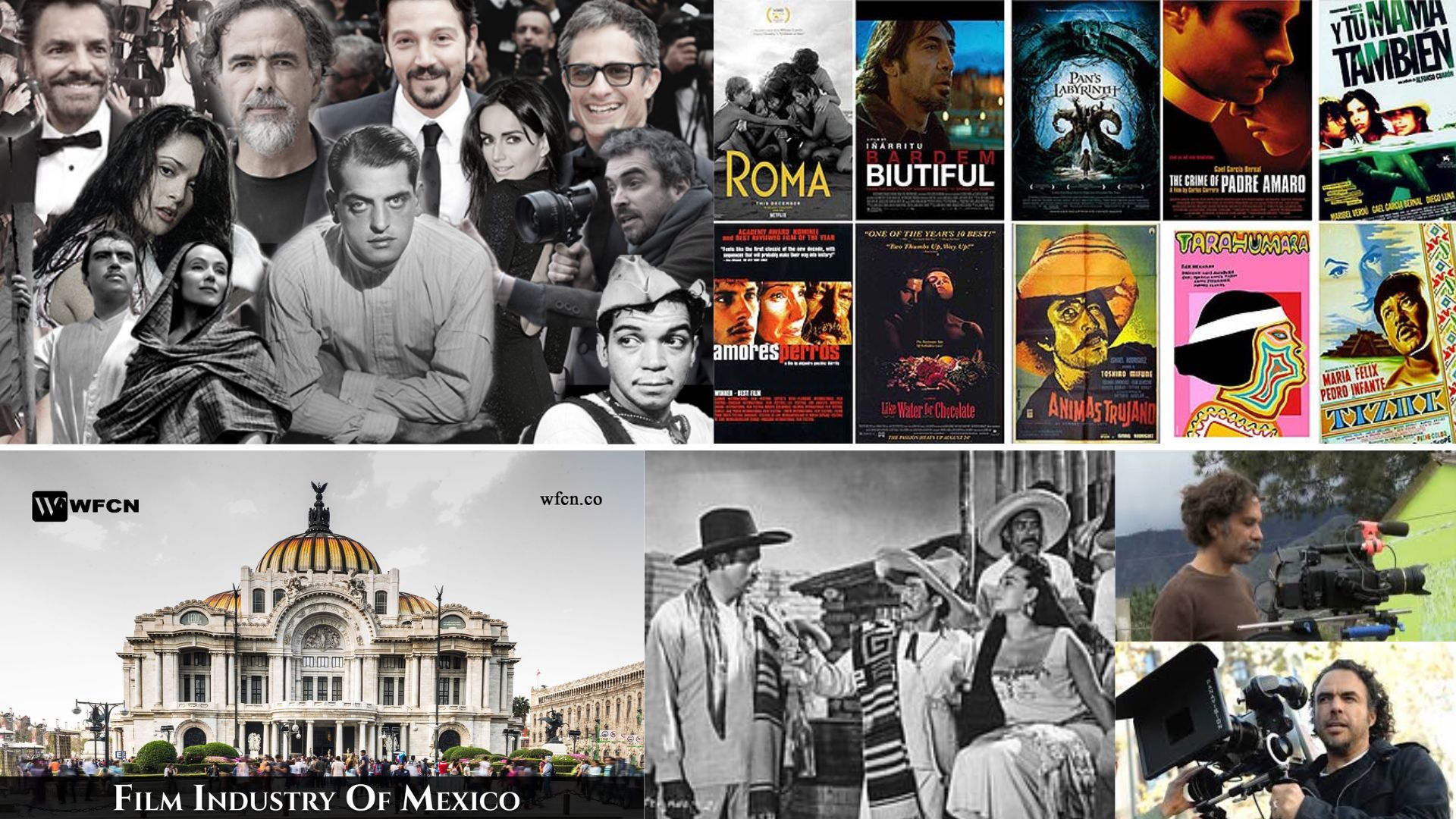
The Mexican film industry has seen significant growth and international recognition in recent years. Renowned directors like Alfonso Cuarón, Guillermo del Toro, and Alejandro González Iñárritu have won numerous international awards, including Oscars. Mexican cinema is known for its compelling storytelling, often exploring themes of identity, social issues, and political history. The country’s vibrant film festivals, such as the Morelia International Film Festival, also showcase emerging talent and celebrate Mexican filmmaking.
Mexico Economy
Mexico has a diverse and growing economy, ranking as the 15th largest in the world. It is characterized by a blend of modern industries and traditional agriculture. Major sectors include manufacturing (especially automobiles and electronics), petroleum, mining, and services like tourism. Mexico is also one of the world's largest producers of silver, avocados, and tequila. The country benefits from free trade agreements, including the USMCA (United States-Mexico-Canada Agreement), which boosts its position in international trade.